
Words Vidula KotianDate 26 March 2026


"The Space Between" installation at STRAF, Milan Design Week 2025

Rovello 18, a favorite of Milan’s design crowd

With Salone del Mobile 2026 centered on “A Matter of Salone,” emphasizing the importance of matter in design—its origins, memory, and potential—the fair reflects a shift from mere materiality to design as transformation and meaning-making. Milan Design Week wouldn’t feel complete without Bar Basso—a revered nocturnal rendezvous where designers, editors, and architects swap stories over Negronis till late. It’s chaotic in the best way, so treat the crowd as part of the experience.
For dinner with real Milanese soul, La Libera’s Brera hideaway was the lifelong project of the impeccably dressed Italo Manca–famous for his signature bow tie, bicycle, and old‑world charm–and still serves honest, hearty regional cuisine in an atmosphere that never tries too hard.
Ronin is where understated elegance meets inventive plates, perfect for lingering conversations post‑fiera. And Rovello 18 doubles as a polished dinner spot and modern nightcap, its minimalist design making it feel almost like an extension of the week’s exhibitions. During Salone, STRAF takes on a different energy, as seen in our Space Between activation with Universal Design Studio last year, which reimagined the lobby as a fluid, communal space.
For cocktails with just the right amount of buzz, Fiore has quickly become the go‑to—think cool crowd without pretense—while Bar Luce at Fondazione Prada delivers a design‑lover’s caffeine moment in a Wes Anderson–esque setting.


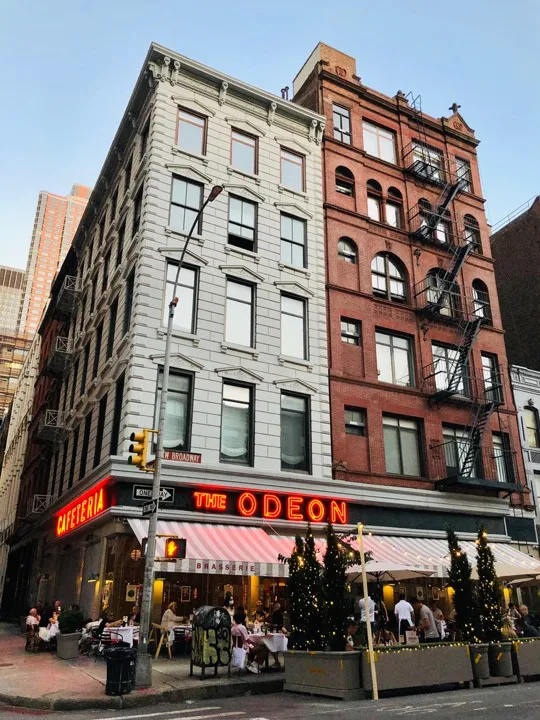
New York’s permanent salon for creatives—The Odeon
Celebrating its 14th anniversary, the festival will center on the theme “Design Connects Us,” highlighting how design links people, communities, technology, sustainability, and culture across New York City’s five boroughs. After a day of exhibitions and talks, the design crowd often decamps uptown to the piano-lit glamour of Bemelmans Bar, a timeless meeting point where creatives sip martinis beneath Ludwig Bemelmans’ whimsical murals and linger for the nightly music.
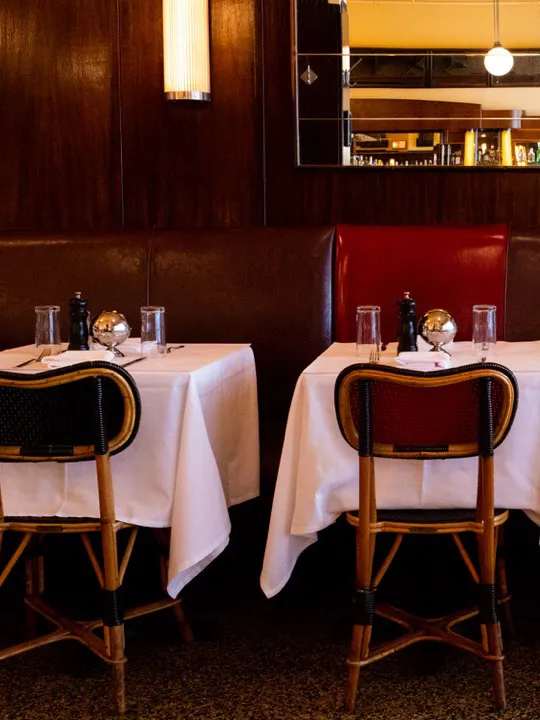
Downtown, the neon-lit brasserie The Odeon continues to draw a cross-section of art, fashion, and design insiders, its Tribeca dining room feeling like a permanent salon for creative New York. The Moore is becoming a gathering point in its own right, as our Casa Lawa aperitivo—bringing Sicilian warmth to its lobby—made clear last year.
A few blocks west, Balthazar remains the SoHo standby for long lunches between gallery visits, while the candlelit tables at The Waverly Inn in the West Village make it a perennial choice for industry dinners once the openings wind down—a restaurant long associated with fashion-week crowds and creative regulars.
For downtown gravitas, Minetta Tavern still feels like a designer’s clubhouse, its red‑leather booths hosting conversations well past midnight. Nearby, Bridges on the west side near the Javits Center offers a polished spot for post-fair dinners, where architects, editors, and product designers decompress after a full day of navigating the city’s festival events.
11 Howard, Crosby Street Hotel, Firmdale Hotels, The Ludlow Hotel, The Moore, The Whitby Hotel, Firmdale Hotels, Warren Street Hotel, Firmdale Hotels
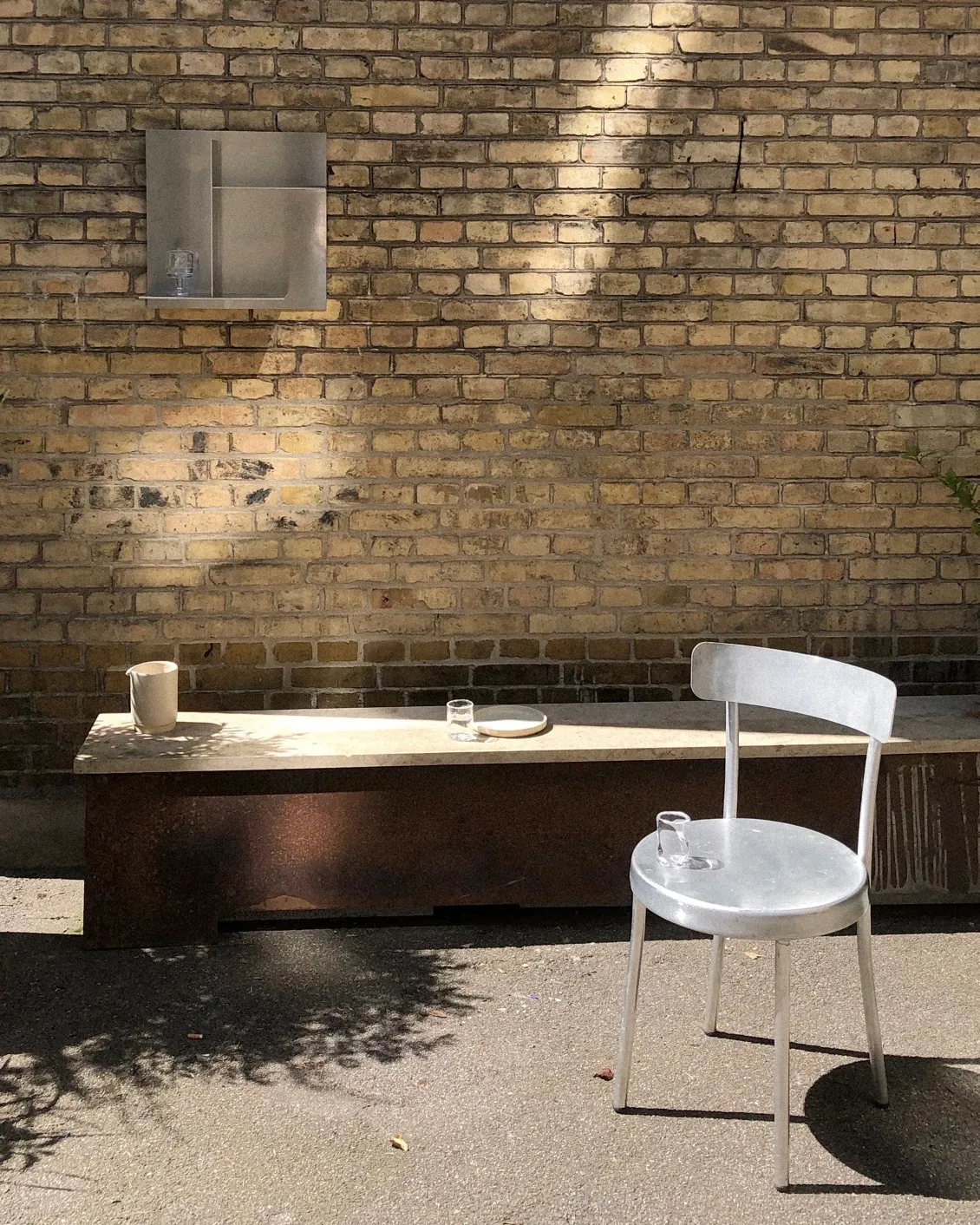
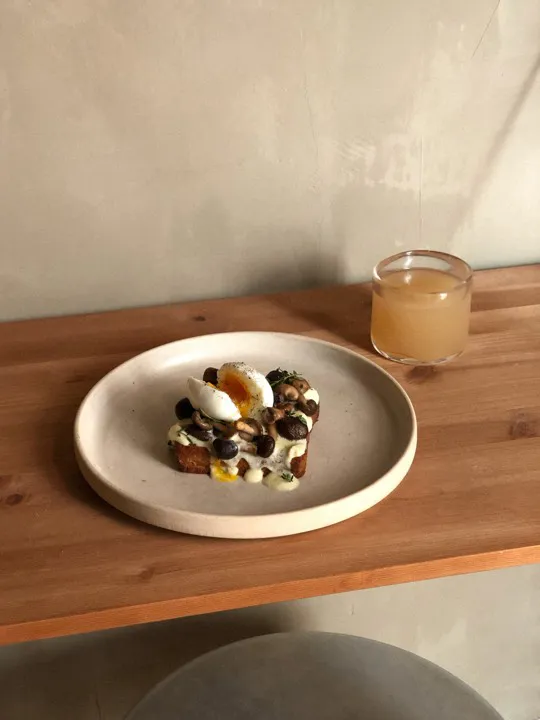
Apotek 57 is Frama’s café nestled inside its Studio Store
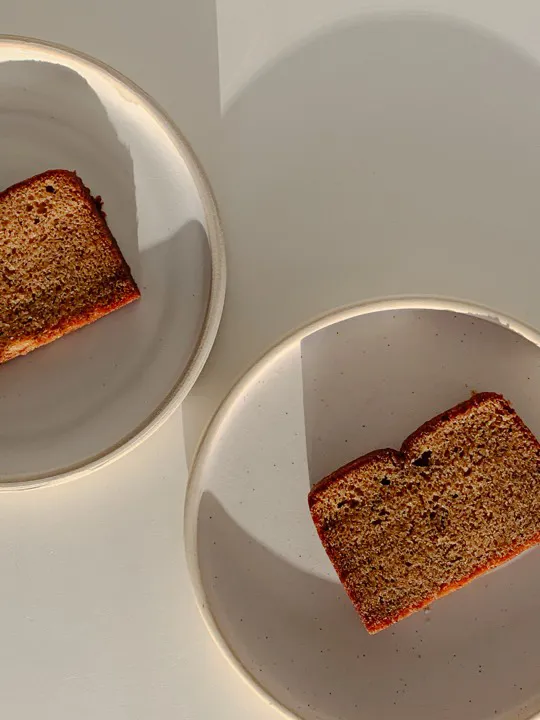


At DAC Café, the city’s architecture is your backdrop
The Danish festival celebrates the theme “Make This Moment Matter,” outlining the importance of creating legacy through design and architecture. The message underscores how contemporary design can shape the future—not only through objects and spaces, but through long-term cultural impact. That same sense of intention extends into the Copenhagen’s social life during the week.
Alchemist remains the avant‑garde anchor, its multi-sensory Nordic tasting menus as thought-provoking as the festival’s installations. For a creative café stop with an architectural vantage point, DAC Café atop the Danish Architecture Center offers organic coffee, light Nordic bites, and panoramic harbor views that make it a favorite break‑out spot.
Apotek 57— the FRAMA Studio café — provides coffee and pastries in a visually rich, design‑conscious setting, and later BRUS in Vesterbro hums with craft beers and lively banter. Duck and Cover delivers expertly built cocktails in salon‑like intimacy, and Rosforth & Rosforth, with its natural wine focus and understated elegance, offers a place to linger and connect with peers long after the festival’s doors close.

The Cocktail Trading Co. —where Shoreditch’s drinks get playful, creative, and unpretentious

Philip Colbert’s Lobster Yards takeover at Borough Yards, 2025

nécco brings Japanese small plates to the heart of the city
Come September, the festival spills out into London’s design-minded neighborhoods, where the social life feels almost as curated as the installations themselves. Bankside has emerged as a real focal point, with the Bankside Food & Drink Trail turning riverside restaurants, cafés, and bars into tasting stations.
In Clerkenwell—where showrooms and pop-ups spill onto café-lined streets—GAZETTE Clerkenwell is beloved for its effortless brasserie fare and sociable lunch tables, ideal for midday debriefs. Nearby, Bourne & Hollingsworth Buildings draws the design crowd for its layered interiors and lively atmosphere—a natural stop for a pre- or post-event cocktail.
Along Exmouth Market, eclectic restaurants keep things buzzing well into the evening; nécco is a favorite for crowd-pleasing Japanese small plates that work as well for quick bites as relaxed dinners.
Further east in Shoreditch, where designers and makers intersect with the neighborhood’s nightlife, the drinks scene picks up pace: The Cocktail Trading Co. Shoreditch and Simmons Bar Shoreditch are classic crowd-pullers, mixing inventive cocktails with a lively atmosphere not far from key London Design Festival showcases.
Town Hall Hotel, Boundary Shoreditch, Inhabit Queen’s Garden, Inhabit Southwick Street, Firmdale Hotels
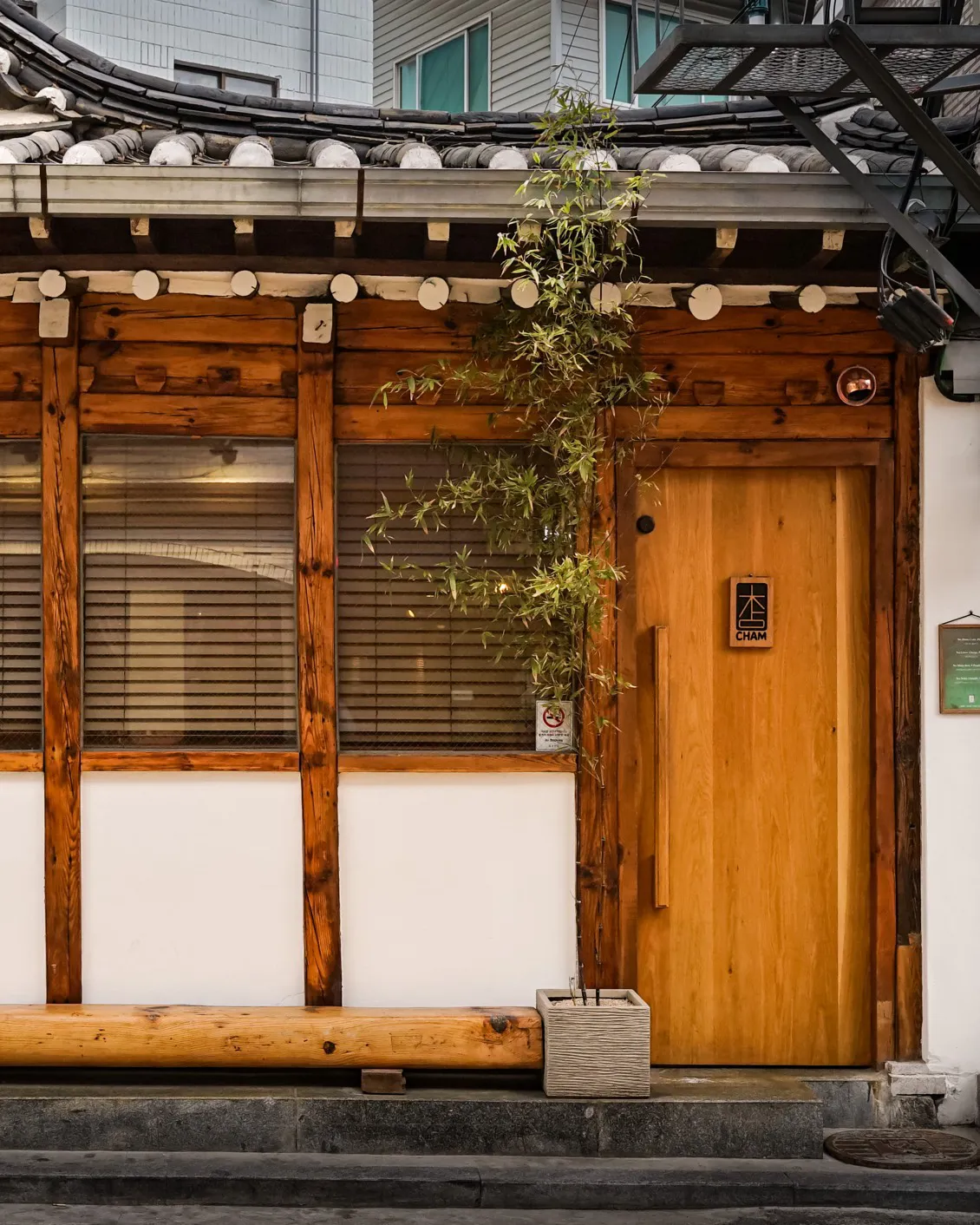
Bar Cham is an intimate hanok‑style cocktail bar in Seoul’s Seochon
Seoul Design Festival unfolds by day at COEX Convention & Exhibition Center, but like any good design week, the real conversations migrate across the city after hours.
Start in Seongsu at Anthracite Coffee Roasters Seongsu, a former factory turned brooding industrial café that has long been a meeting point for architects, editors, and designers. For a daytime pause with impeccable aesthetics, Cafe Onion Anguk delivers a striking mix of hanok architecture and contemporary café culture—expect a steady flow of visiting creatives and photographers; the chaos is part of the charm.
Dinner reservations are worth securing at Mingles, where chef Mingoo Kang’s modern Korean plates are served in a quietly refined setting. Later in the evening, the creative set often gravitates toward Goryori Ken, an intimate Japanese restaurant where the atmosphere is understated and conversations stretch long past the last dish.
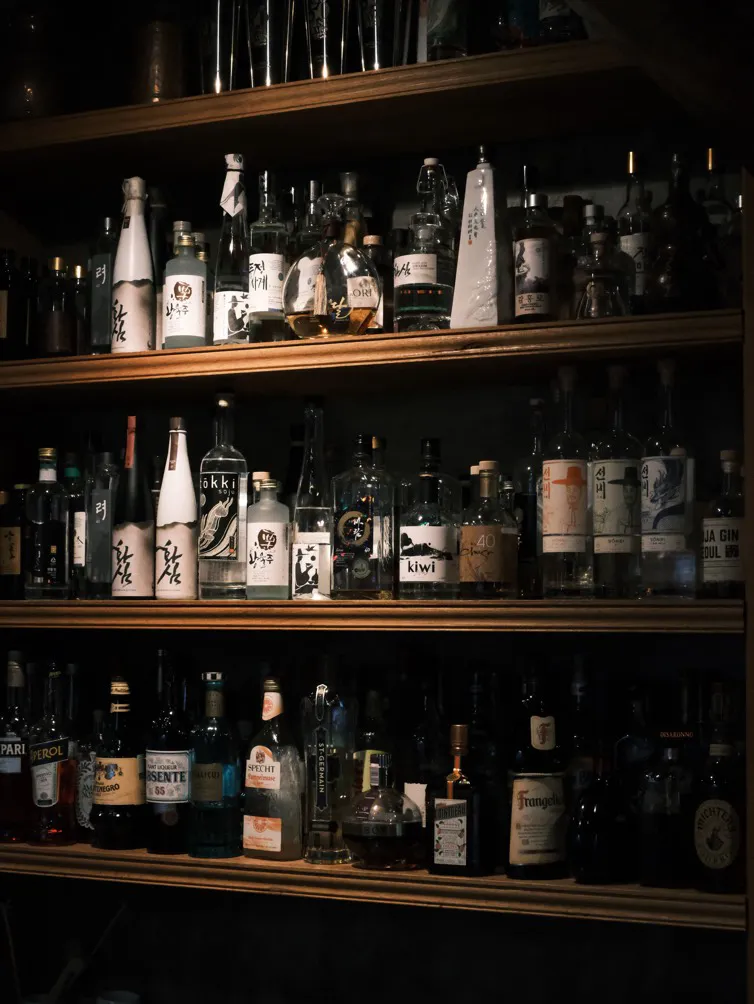
For cocktails, Bar Cham has become a favorite among Seoul’s creative community, known for its restrained interior and drinks built around Korean ingredients. And when the night needs one final stop, slip into Zest Seoul, a globally acclaimed cocktail bar where the crowd is equal parts bartenders, designers, and visiting festival guests—exactly the kind of place where the evening quietly turns into morning.


Casa Bosques’ literary and art pop-up at The Shelborne by Proper during last Design Week
Each December, the city transforms into a sun-drenched design circuit, with fairs, installations, and brand activations stretching from the Design District to South Beach.
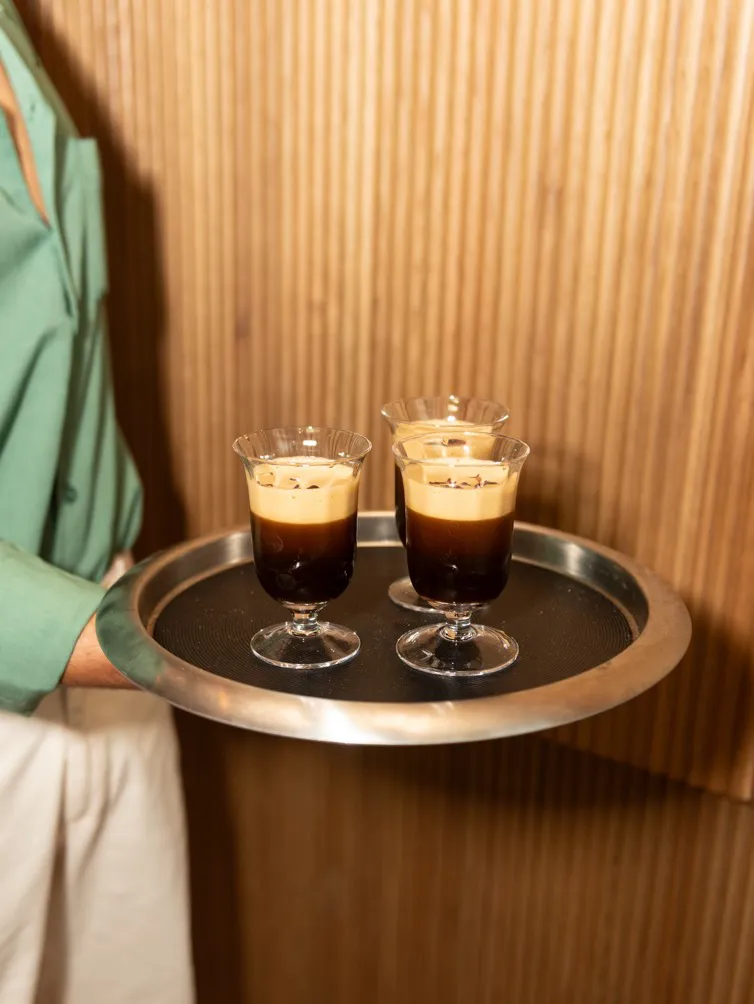
Evenings inevitably converge at Joe’s Stone Crab, the perennial institution where creatives gather over seafood towers in a room that feels like part of the week’s ritual. For something more intimate and impeccably styled, ViceVersa has become a downtown favorite, a refined Italian bar where conversation flows as easily as the cocktails. On South Beach, The Shelborne By Proper remains a martini landmark—its bar known for perfectly chilled drinks in a setting that channels classic Miami glamour, with last year’s Casa Bosques activation adding a distinctly tactile, design-driven moment to the mix.
For late-night momentum, Sweet Liberty is a late-night industry staple in Miami Beach. In the Design District, Mandolin Aegean Bistro offers a breezy garden setting ideal for long lunches between fairs, while The Surf Club Restaurant brings old-world elegance and polished dining to post-opening dinners.


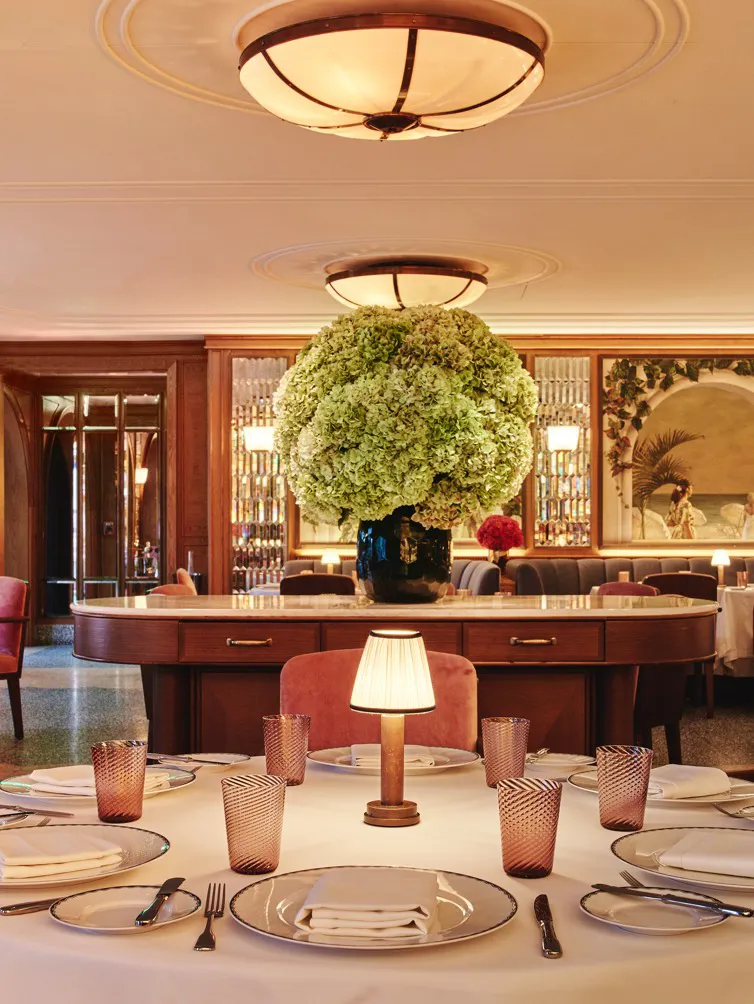
At The Surf Club, Miami’s historic oceanfront icon mixes old‑school glamour with modern luxury


 Profile
 Bookings
 Benefits
 Bookmarks
 Exclusive Community Deal