
Words Vidula Kotian
Equal parts sustainability strategy and cultural preservation, the appeal lies in architecture with lived texture: buildings marked by time, imperfect materials, and local histories that cannot be replicated from scratch. From Japan to Mallorca, these hotels show how old structures are quietly redefining contemporary hospitality.


Spread across 200 hectares of eastern Mallorca, Es Racó d’Artà transforms a 13th-century finca into a deeply site-specific wellness retreat shaped by architect Toni Esteva’s restrained minimalism. Dry-stone paths, olive groves, and low-slung limestone buildings dissolve into the surrounding Llevant terrain, while interiors draw on a pared-back Mallorcan palette: local limestone, rough stone walls, bamboo-and-concrete ceilings, whitewashed surfaces, and antique wooden vessels that quietly nod to the estate’s agricultural roots.
Large windows, open-plan layouts, and outdoor living spaces deliberately blur the boundary between architecture and the surrounding natural park, while yoga decks and water therapies sit lightly within the landscape. At its center, the original farmhouse anchors communal life around farm-to-table dining, with produce drawn directly from the estate’s orchards, vineyards, and vegetable gardens.


A 1929 Art Deco landmark at the foot of Montmartre, Hôtel Rochechouart leans into Paris’ cinematic density. Designed by Festen, the restoration preserves its marble staircase, mosaic floors, and vintage glass elevator, letting their ornament sit in full view. Around them, a warm, saturated palette—brass, walnut, terracotta, deep greens—reworks the building’s interwar glamour into something more lived-in, slightly nocturnal.
The ground floor pulls the city straight inside: Maggie’s brasserie hums through long evenings, while Citrons & Huîtres, an oyster bar, spills onto the boulevard. Below, the historic Mikado Dancing is reimagined as a moody basement bar, where Japanese lanterns and plush banquettes evoke the atmosphere of a hidden 1920s dance hall.


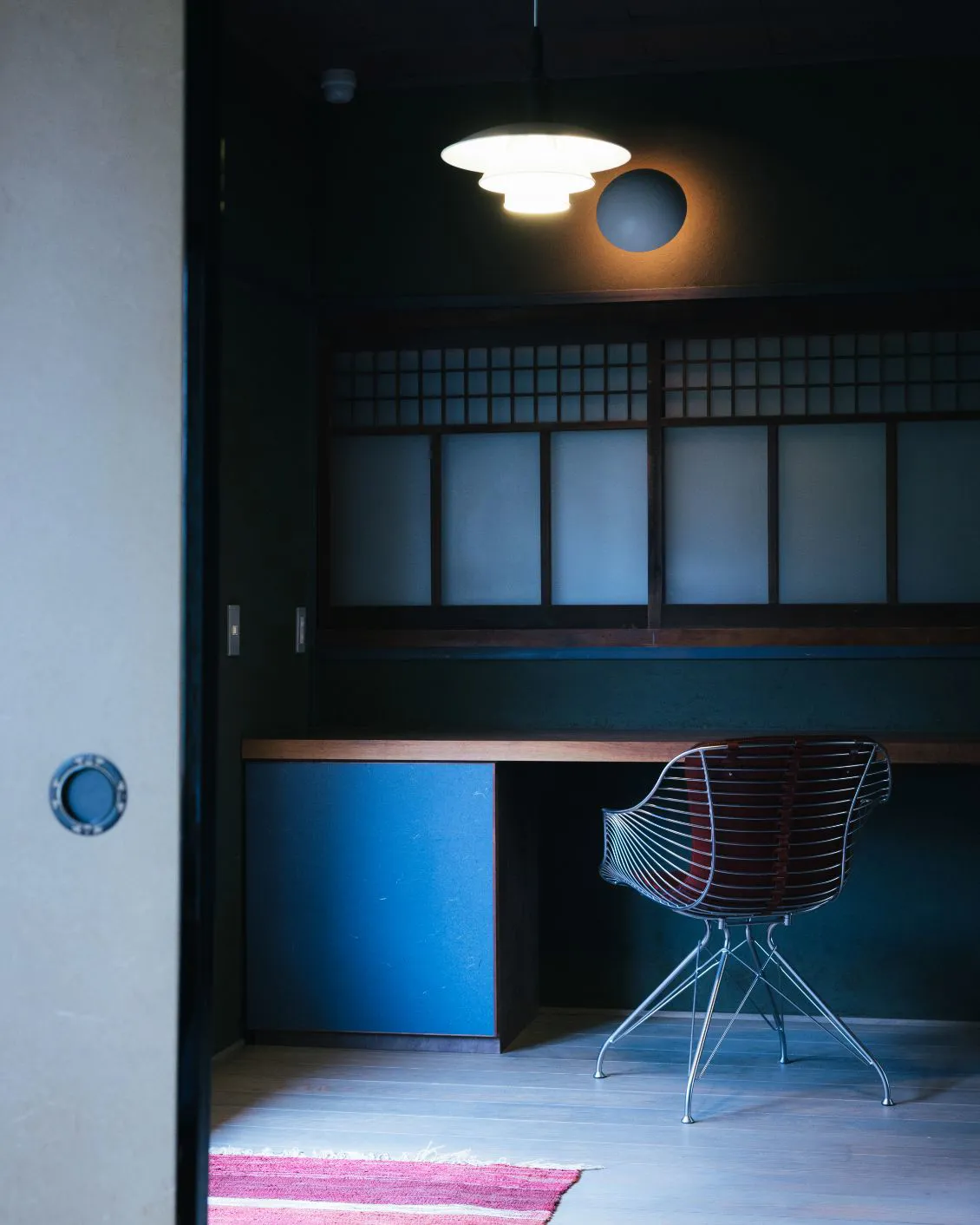
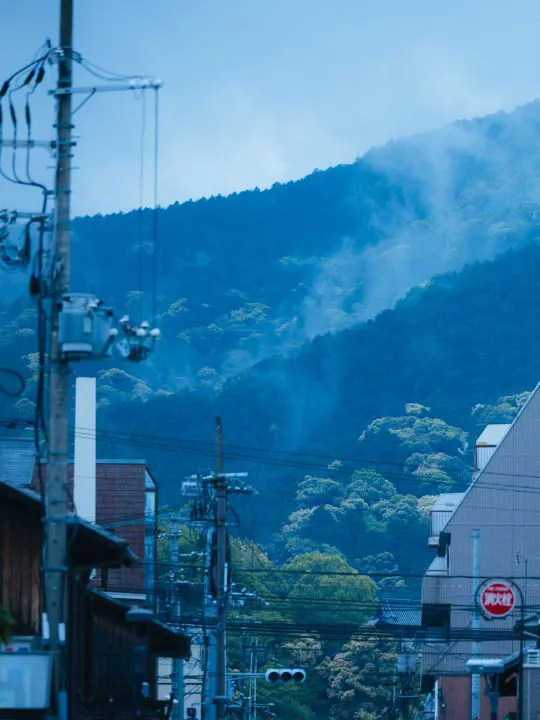
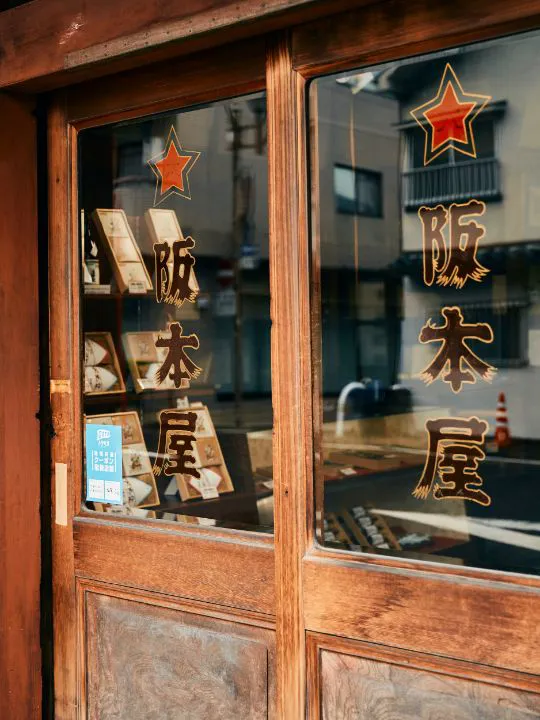
Hotel Koo Otsu Hyakucho approaches adaptive reuse with a simple but sharp premise: a hotel without a single center. Rather than consolidating everything into one polished property, the project unfolds across seven century-old machiya townhouses scattered through Otsu’s historic streets.
The restored properties retain original features such as latticework, courtyards, transoms, and timber detailing, while inserting contemporary interiors with restraint. Crucially, the hotel extends beyond its rooms: guests check in at one machiya, eat breakfast in another, join guided walks through the old post town, and are encouraged to dine, drink, and shop in local businesses instead of relying on in-house amenities. Even the hotel’s “stay funding” model directs a contribution from every stay back into the surrounding shopping arcade, making the town itself part of the hospitality experience.


Yoruya sits inside a 110-year-old former kimono merchant’s house, where timber frames, tatami, and shoji form the original grammar of the building—still holding the plan together. New interventions tuck quietly behind and between these bones, extending the residence into a sequence of courtyards and narrow interior thresholds.
Everything is pared back to materials already rooted in Okayama: hinoki, plaster, washi, hand-thrown ceramics. Rooms open onto small gardens or enclosed light wells, and some slip into private semi-open-air baths where time slows to the sound of water. At its core, a compact dining space and wine bar translate Seto Inland Sea ingredients into a similarly restrained rhythm—seasonal, precise. The result is not a restoration so much as continuation, where Kurashiki’s canal-town stillness simply keeps going indoors.


Matsumoto Jujo unfolds like a layered memory of Asama Onsen, Matsumoto’s historic hot spring district. One half is a meticulously reworked 17th-century inn where exposed concrete frames old timber logic, and deep-set windows turn the Northern Alps into a constantly shifting backdrop. The other introduces a contemporary rhythm—natural wood, soft diatomaceous earth walls, and rooms that blur into private onsen baths fed by the same historic spring that once sustained samurai-era bathhouses.
Between them, the experience spills outward: a book-filled “living library” you can actually browse and buy from, a bakery and café that feel like extensions of the street, even a small cidery that anchors the stay in local production. Here, the architecture behaves like a conduit, drawing the onsen town, its histories, and its daily life directly into the guest experience.


A symbol of Asheville’s early skyscraper ambition, The Flat Iron Hotel reactivates a 1920s office building, leaving its terrazzo floors, hand-cranked elevator, and marble-clad structure exposed. What once moved paper and civic work now channels guests through narrow corridors, transom-lit doors, and vertically stacked rooms still tethered to the building’s original commercial logic.
Art Deco cues and Gilded Age references surface in brass, walnut, and jewel-toned interiors, set against a more contemporary Appalachian register—warm, tactile, and slightly unruly. A rooftop café catches morning light, a basement speakeasy occupies the old service core, and the restaurant folds Italian technique into hyperlocal ingredients. The triangular footprint constantly redirects views toward downtown Asheville and the Blue Ridge beyond, framing the city itself within the stay.


A colonial hush still clings to the center of Mérida, where Hotel Sevilla occupies a restored 19th-century casona just steps from the city’s main square. Zeller & Moye preserve the listed monument, retaining worn courtyard columns and faded wall frescoes while inserting sharply articulated concrete interventions: a reception desk, sculptural staircase, and pool.
Custom furnishings in leather, henequen, and brass soften the material contrast and anchor the project in Yucatán craft traditions. Endemic planting, water features, and open-air patios weave the 21-room property into its climate. At its core, communal life gathers around the courtyard restaurant and bar, shaped by Yucatán ingredients. A spa with temazcal-inspired heat and cold plunge anchors the wellness spaces, reinforcing the hotel’s grounding in local ritual.


 Profile
 Bookings
 Benefits
 Bookmarks
 Exclusive Community Deal