
Words Vidula KotianDate 27 May 2026
In some places, it’s volcanic cliffs and Atlantic winds; in others, hidden coves, cacao estates, fishing villages, or long afternoons shaped by the sea. Across six distinct destinations, these stays offer a way into island life that goes far beyond the obvious.

The Surin on Phuket’s west coast offers the ultimate in Southeast Asian seaside serenity

The Naka Phuket’s cantilevered villas are designed to maximize uninterrupted sea views

The island’s industrial past is reflected in The Slate’s black steel furnishings, contrasting the tropical setting

Built into a tropical bay, The Surin connects guests to nature via stairways and walkways
Phuket works because it isn’t one thing. Up north near Nai Yang, things still feel close to how the island used to be—quieter beaches, slower mornings, space to actually switch off. That’s where The Slate sits, just inland from the sand, mixing raw industrial touches with Phuket’s tin-mining heritage and a strong wellness angle that makes sense for the setting.
Head west and the mood changes fast. The Naka Phuket brings private pool villas tucked into the hills above Kamala, all about privacy and sea views that feel slightly hidden away from the crowds. Further along the coast, The Surin drops you straight onto one of the island’s best beaches, where everything is about soft sand, clear water, and an easy rhythm that doesn’t need much planning.

Milos’ volcanic hills rise above the Aegean, shaping a raw, sculpted island landscape


Milos feels like the Cyclades before the crowds fully caught on—raw volcanic coastlines, milky-blue coves, and villages that still move at an unhurried island pace. This is a place for boat days between hidden beaches, long swims in impossibly clear water, and evenings that don’t need much more than the sound of the sea.
Tucked into this landscape, Eréma is an all-suite retreat, each with its own private pool, designed to dissolve into its surroundings. Quiet, minimal, and rooted in natural textures, it mirrors Milos’ stripped-back beauty. And then there’s the food—simple, local, and deeply expressive of the Mediterranean spirit, with a clarity that matches the island itself.


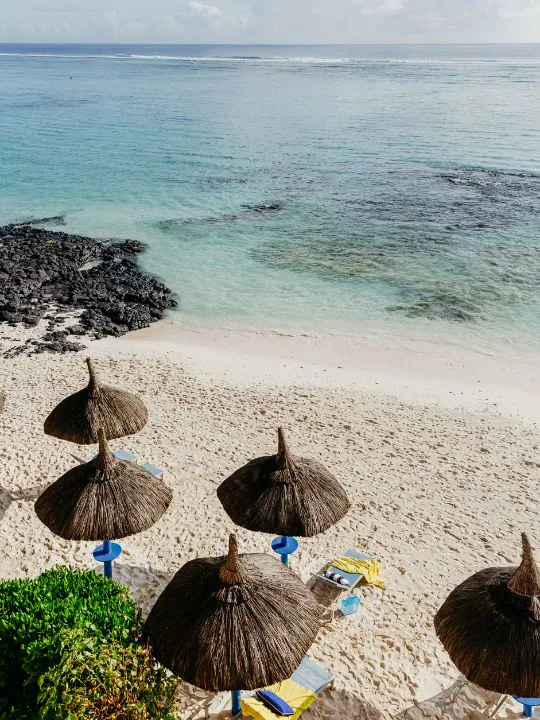
White sand and turquoise water frame SALT of Palmar’s seaside setting
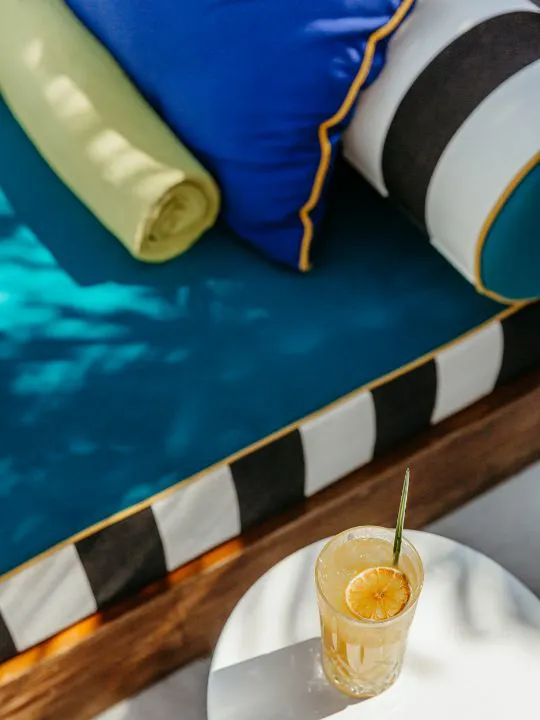
The restaurant’s bold decor is inspired by Mauritius’ colors
Paul Jones, Original and visionary behind SALT of Palmar
Mauritius gets reduced to beaches far too easily. Yes, the water really is that shade of blue, but the island works best when you look beyond the postcard: market towns shaped by Indian, Creole, Chinese, and French influences, volcanic interiors, sugarcane fields, and an east coast that feels quieter and less polished than the resort-heavy north. The rhythm here is slower, windier, and better for actually settling in.
At SALT of Palmar, that sense of place is built into the stay. Set on the quieter east coast, the adults-only hotel trades generic tropical luxury for something more rooted—bold interiors by Camille Walala inspired by the island’s colors, locally sourced dining, and experiences designed to get you off-property and into Mauritius itself. There’s a rooftop bar for long evenings, yoga and water activities by the lagoon, and a food philosophy shaped as much by nearby fishermen and farmers as by the kitchen.


Iki feels like one of those places Japan keeps slightly off-script—an island between Kyushu and Tsushima where time slows down and the sea does most of the talking. Sacred shrines are scattered across rolling hills, fishing villages hug the coastline, and the Genkai Sea shifts constantly from glassy to restless.
At Iki Retreat by Onko Chishin, rooms open directly toward the ocean, with private onsen baths facing Yunomoto Bay. The design stays understated—natural materials, soft light, and spaces that keep attention on the horizon. Dining draws from Iki’s seafood, beef, vegetables, and island-grown staples, prepared to bring out their natural character.
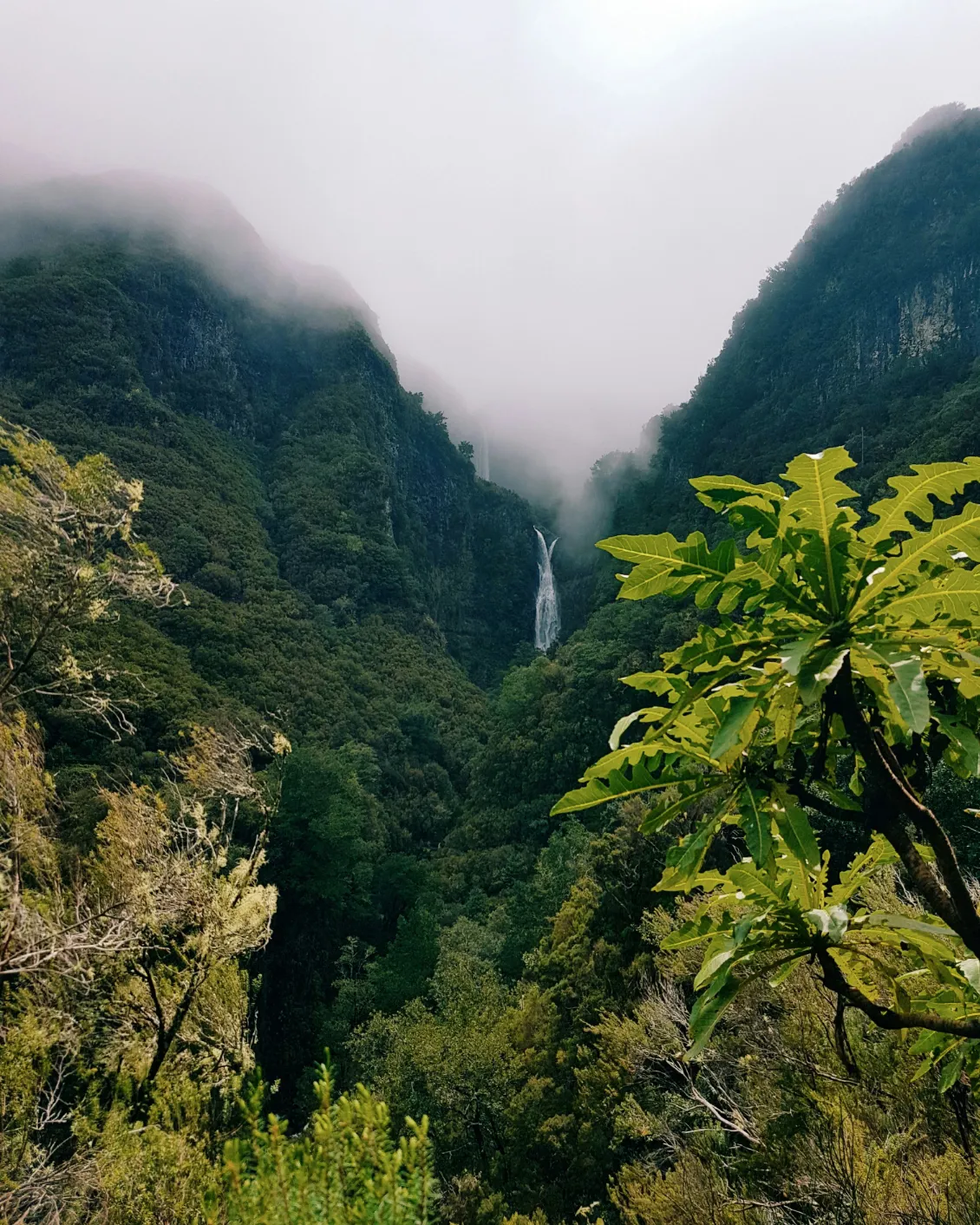
Ponta do Sol translates to “point of the sun” and is known for its lush, green landscape
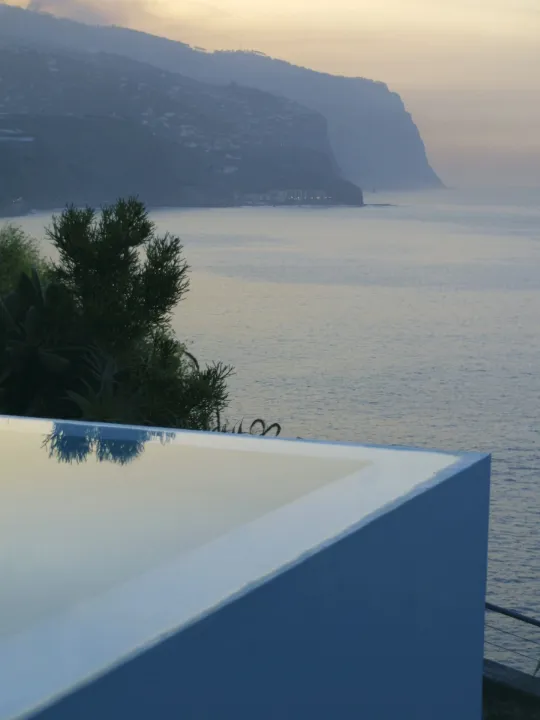
Layering itself down a slate cliff, Estalagem da Ponta do Sol’s pool drops into the horizon
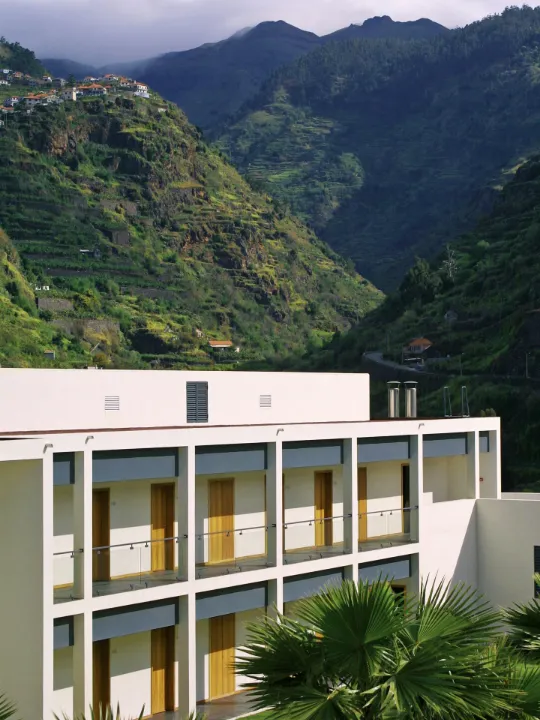
Madeira feels like an island that never fully leaves you alone—in the best way. The road clings to cliffs, tunnels cut through mountains, and every turn seems to open onto a different climate. It’s all steep drama and soft pauses: black volcanic rock against deep green slopes, then suddenly a village or a view that makes you slow down without thinking.
At Estalagem da Ponta do Sol, the hotel layers itself down a slate cliff, cut into the rocky landscape with a series of thick stone walls that frame the Atlantic in shifting perspectives. Sunsets hit differently here—the whole place feels built for them—whether from the pool, the terrace, or a quiet corner above the water.

Like a traditional cocoa farm, Rabot Hotel by Hotel Chocolat is a cluster of lodges

The hotel is located on Saint Lucia’s oldest cocoa estate


Saint Lucia is where volcanic peaks, rainforest, and sea collide in constant motion
Saint Lucia doesn’t sit still—it rises in volcanic peaks, drops into rainforest valleys, and opens suddenly onto coastline that feels almost unreal. The drive between Soufrière and the Pitons is pure theatre: jungle, steam, sea, repeat. This is an island built for contrast—mud baths at Sulphur Springs one hour, quiet coves the next, with the landscape constantly reminding you it’s in charge.
At Rabot Hotel, everything is rooted in the island’s historic cocoa estate. Lodges sit on the hillside with wooden structures and open-air living that draw in the rainforest air and Piton views. The experience is built around cacao—from making your own chocolate and tasting estate-grown cocoa at different stages, to cacao-inspired treatments at the spa that connect directly back to the land.





 Profile
 Bookings
 Benefits
 Bookmarks
 Exclusive Community Deal