
Words Vidula KotianDate 23 September 2026
From Alentejo and Chianti to Burgundy, Priorat, and California, these wine hotels offer a taste of place through the bottles they pour, the landscapes they inhabit, and the stories they preserve.

The pool terrace at Hotel Irada overlooks an idyllic rural landscape


Set across 66 acres of working vineyard, Irada is also developing new wine labels exclusively for the hotel
In Maharashtra’s wine country, Hotel Irada offers a stay that puts India’s wine culture front and center. Set across 66 acres, the hotel occupies a restored neoclassical manor reimagined with midcentury-modern interiors, locally sourced wood, colorful textiles, contemporary Indian art, and more than 150 curated pieces from India and beyond. Its expansive views over the surrounding vineyards make the landscape part of the experience.
The wine is central, too. Maharashtra is one of India’s key wine-producing regions, with Nashik Valley particularly known for its vineyards and a growing range of Indian wines, from Chenin Blanc and Sauvignon Blanc to Shiraz, Cabernet Sauvignon, Chardonnay, and Viognier. At Hotel Irada, you can explore the winemaking process through vineyard walks, cellar and barrel-room visits, and tastings of the estate’s own wines.


Former wine silos become atmospheric spaces for wine tastings and immersive experiences

Once a 1920s wine factory, Dexamenes Seaside Hotel has been transformed into one of the western Peloponnese’s most distinctive seaside stays. Its original concrete wine tanks now house pared-back suites, with exposed walls, timber, glass, and sea-facing patios preserving the raw character of the former winery. Designed by K-Studio, the hotel sits directly on Kourouta Beach.
The region’s winemaking heritage remains central to the experience. Dexamenes serves organic and biodynamic wines from across the Peloponnese, alongside tastings and local gastronomy. As Nikos Karaflos, the creator of the hotel, puts it, “All the experiences we offer are enriched by one another: art, wine, the historical background of the site, the local culture, and connection to nature.”



A taste of Burgundy, with local wines served at Château de la Resle
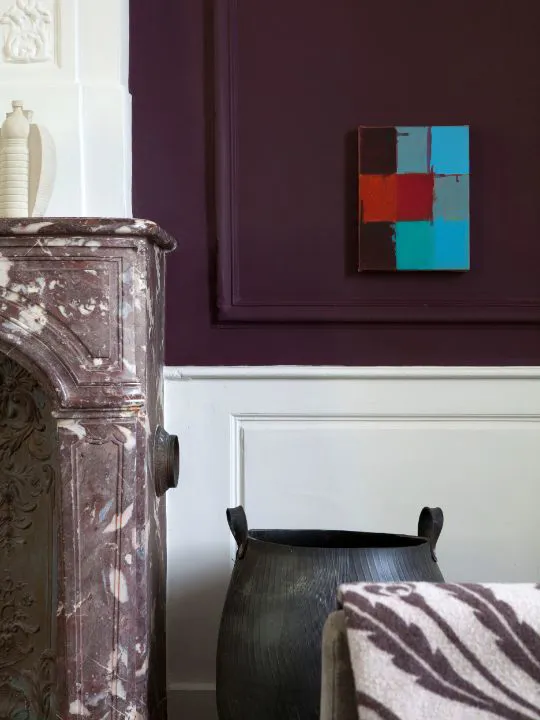
Subtle hues, contemporary art, and elegant furnishings define understated modernity
Part château, part contemporary art collection, Château de la Resle brings together centuries of Burgundy heritage with an unmistakably modern sensibility. The 17th-century manor is filled with original architectural details alongside sculptural furniture, bold artworks, and carefully chosen pieces that turn the historic interiors into a living design collection.
Burgundy’s wine culture is equally central. The château sits between Chablis and Auxerre, in a landscape known for Chablis, Pinot Noir from Irancy, Sauvignon Blanc from Saint-Bris, and a growing selection of organic and biodynamic wines. Vineyard visits and tastings offer a deeper way into the region’s terroir, while the hotel serves and sells wines from local producers.

Ancient vineyards surround Torre de Palma Wine Hotel in the heart of Alentejo

Dating to 1338, the hotel building stays true to the region with whitewashed walls


Torre de Palma Wine Hotel grew from a 14th-century estate rooted in Alentejo’s agricultural and winemaking traditions. Today, whitewashed buildings, terracotta roofs, stone walls, and contemporary interiors surround a working winery, while vineyards, olive groves, and cork oaks stretch across the landscape. Original stables and Lusitano horses preserve the estate’s equestrian heritage.
Alentejo is known for its warm climate and generous reds, alongside increasingly acclaimed whites. At Torre de Palma, guests can experience winemaking first-hand, from harvesting grapes to stomping them by foot. “We do wine traditionally, artisanally,” says Ana Isabel Rebelo, one of the visionaries behind Torre de Palma, “which means guests can partake in every step of the winemaking process.”

At Chapter Chianti, terraces and natural light preserve the original rhythm of the historic architecture

In the heart of Chianti, the hotel is a base for discovering authentic Tuscany

Seasonal Italian cooking meets understated design at Osso

A panoramic pool with a glass-mosaic floor framed by olive trees
Set within a medieval village in the hills of Tuscany’s Chianti region, Chapter Chianti offers a fresh take on the Italian countryside. Historical textures and original architecture meet glass, steel, marble, and travertine, while contemporary Italian design, sculptural lighting, and unexpected art give the interiors a distinctly modern character.
Chianti is Tuscany at its most quintessential: vineyards and olive groves, medieval villages, and country estates, with Sangiovese at the heart of its celebrated Chianti Classico wines. The region’s food culture is just as distinctive, from extra virgin olive oil and Cinta Senese to the rustic dishes of traditional Tuscan cooking.

ORA’s wine cellar is a rustic yet refined setting for leisurely tastings


Torroja del Priorat is a traditional wine village of narrow alleys and cobbled streets
In the heart of Priorat wine country, ORA Hotel Priorat occupies an 18th-century abbey in the traditional village of Torroja del Priorat. Baroque arches, local stone, wood, vintage furnishings, and contemporary details bring the building’s history into the present, while 13 rooms overlook the village, mountains, and surrounding vineyards.
Beyond the hotel, Priorat is one of Spain’s most distinctive wine regions, known for its steep, terraced vineyards, slate-rich soils, and powerful reds made from old-vine Garnacha and Cariñena. ORA’s cellar showcases the region’s wines, while the hotel can arrange tastings, vineyard visits, and tours with local producers. Traditional Catalan cooking, seasonal ingredients, and regional wines complete the experience.
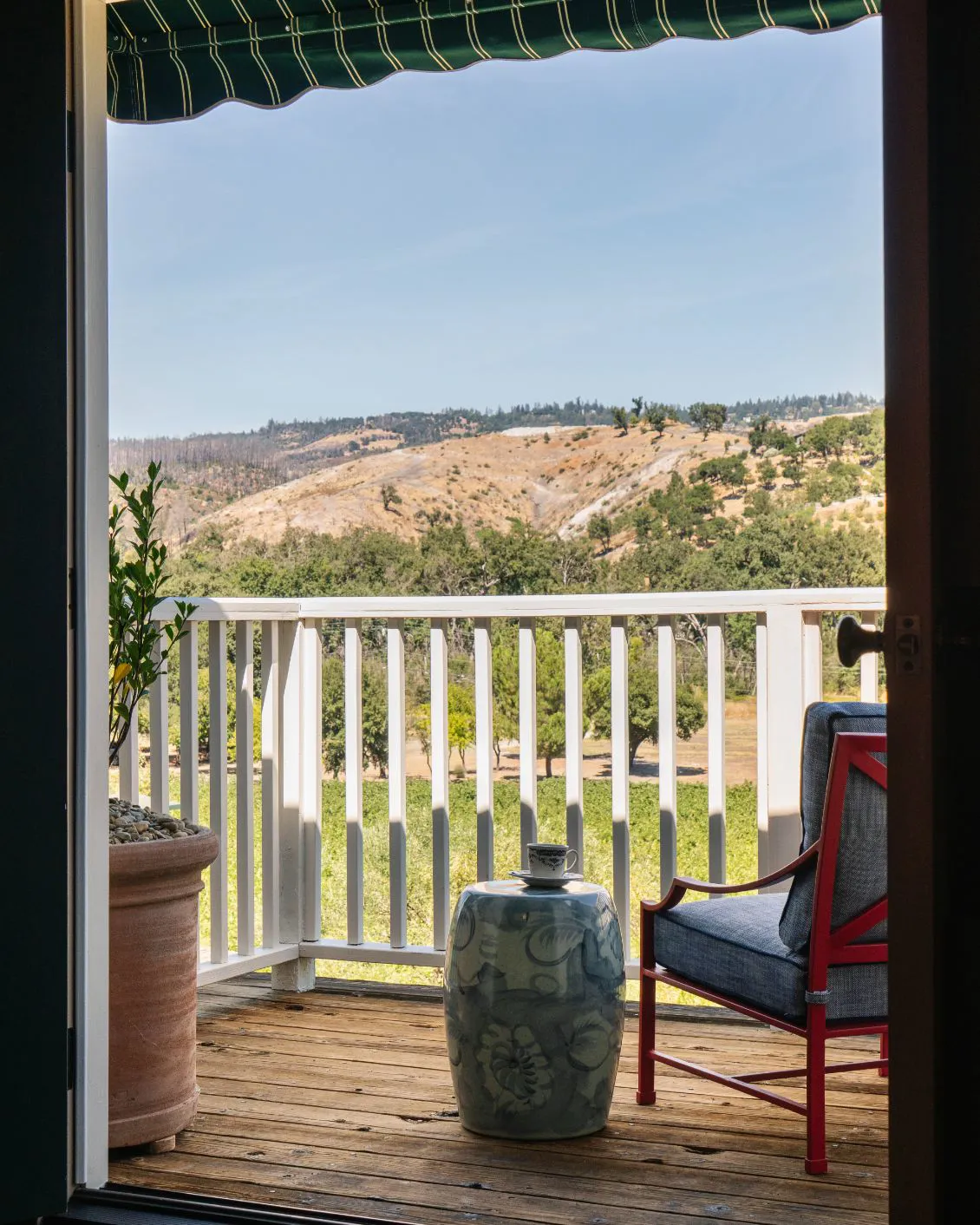
Terraces overlook the vineyards, offering a relaxed vantage point over St. Helena’s wine country
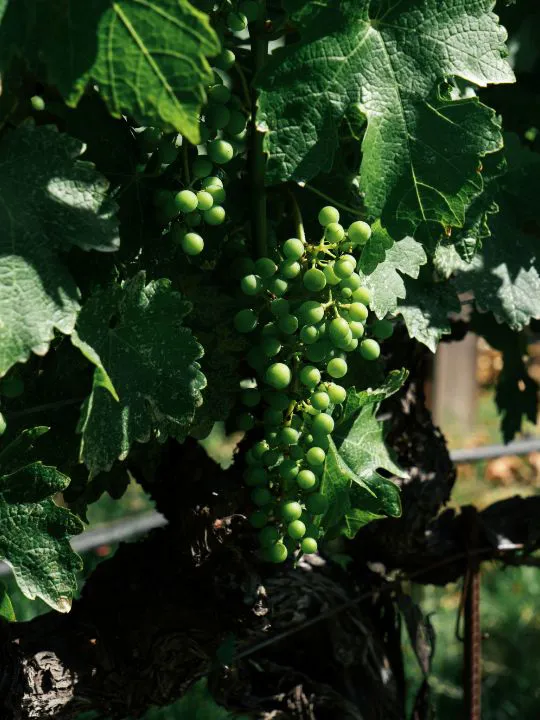
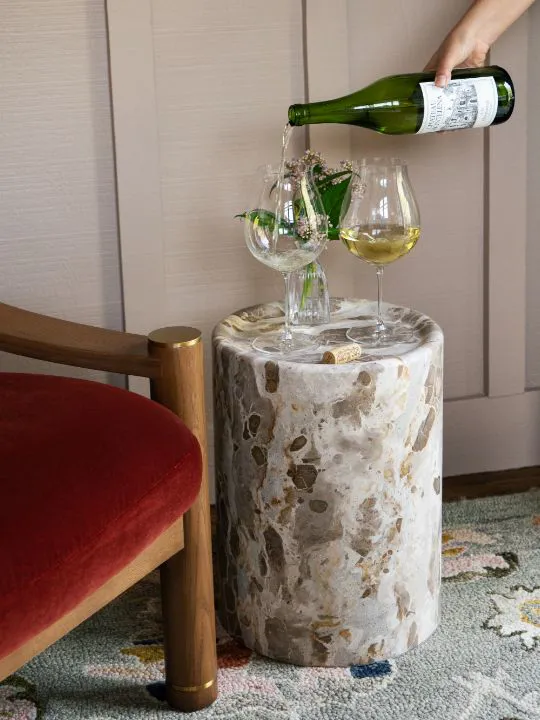

The pool at Le Petit Pali St. Helena offers a refreshing spot to unwind

The hotel spans low-rise buildings linked by landscaped pathways and gardens
Napa Valley and Sonoma offer two distinct takes on California wine country: Napa is known for its celebrated vineyards, tasting rooms, and elegant estates, while Sonoma brings together wine, food, and the character of its small towns.
In St. Helena, Le Petit Pali St. Helena sits across three acres of vineyard, with standalone cottages, landscaped paths, olive trees, and views over the vines. Its residential-style interiors mix vintage and custom furnishings, patterned textiles, wallpapered ceilings, and playful details, while its pool and outdoor spaces make the most of the setting. From here, Napa’s wineries, restaurants, and the town of St. Helena are all close by.
Further north, Hotel Healdsburg puts you in the heart of downtown Healdsburg, where three renowned wine appellations meet. The hotel combines modern rooms with gardens, an olive-grove pool, a spa, and Charlie Palmer’s Dry Creek Kitchen, while Bay Area artists and designers contribute paintings, ceramics, and furniture throughout the property. It’s a base for exploring Sonoma’s wineries and farm-to-table culture. As Paolo Petrone, one of the Originals behind Healdsburg, explains it, “Here, you get to meet the real winemaker, the real farmer, and experience the real city.”

Hotel Healdsburg is home to one of the area’s finest restaurants

The garden pool is shaded by olive and fig trees

Dry Creek Kitchen pairs vibrant American cooking with world-class bottlings

French doors flood the interiors with natural light, making it a defining element of the design





 Profile
 Bookings
 Benefits
 Bookmarks
 Exclusive Community Deal