
Words Heewon KimImages Guno Lee
Soyeon Kim got her start in Busan’s independent hotel scene, learning the business before coming to envision how she would do things differently. With Heewon Yoon joining as a partner, that vision took shape as IJE, a collection of distinctive stays across three very different South Korean destinations: the southern island of Namhae, the coastal metropolis of Busan, and the historic city of Gyeongju. Rather than imposing a single aesthetic, each property responds to its setting through architecture, design, food, and service. Here, Soyeon shares some of the experiences that shaped IJE, what Korean hospitality was missing, and where IJE goes next.

IJE Busan’s minimalist design philosophy is apparent from the building’s exterior


When I started out 20 years ago, smaller properties were often associated with “love hotels” and didn’t have the best reputation. I wanted to change that perception through better design and service. We adopted new marketing and operating methods as the sector grew, which gave me a strong grounding in hotel operations. Over time, I decided to use these skills to create the kind of hotel I would want to visit myself.
Heewon joined while I was developing the idea. We both know the challenge of balancing work and family. After experiencing burnout, I began to question the idea that a good hotel must always offer more amenities, more stimulation, and more things to do. Perhaps people needed the opposite.
I kept asking myself, “Could there be a place where, from the moment you arrive until the moment you leave, you can truly set your responsibilities aside?” That became IJE’s starting point.
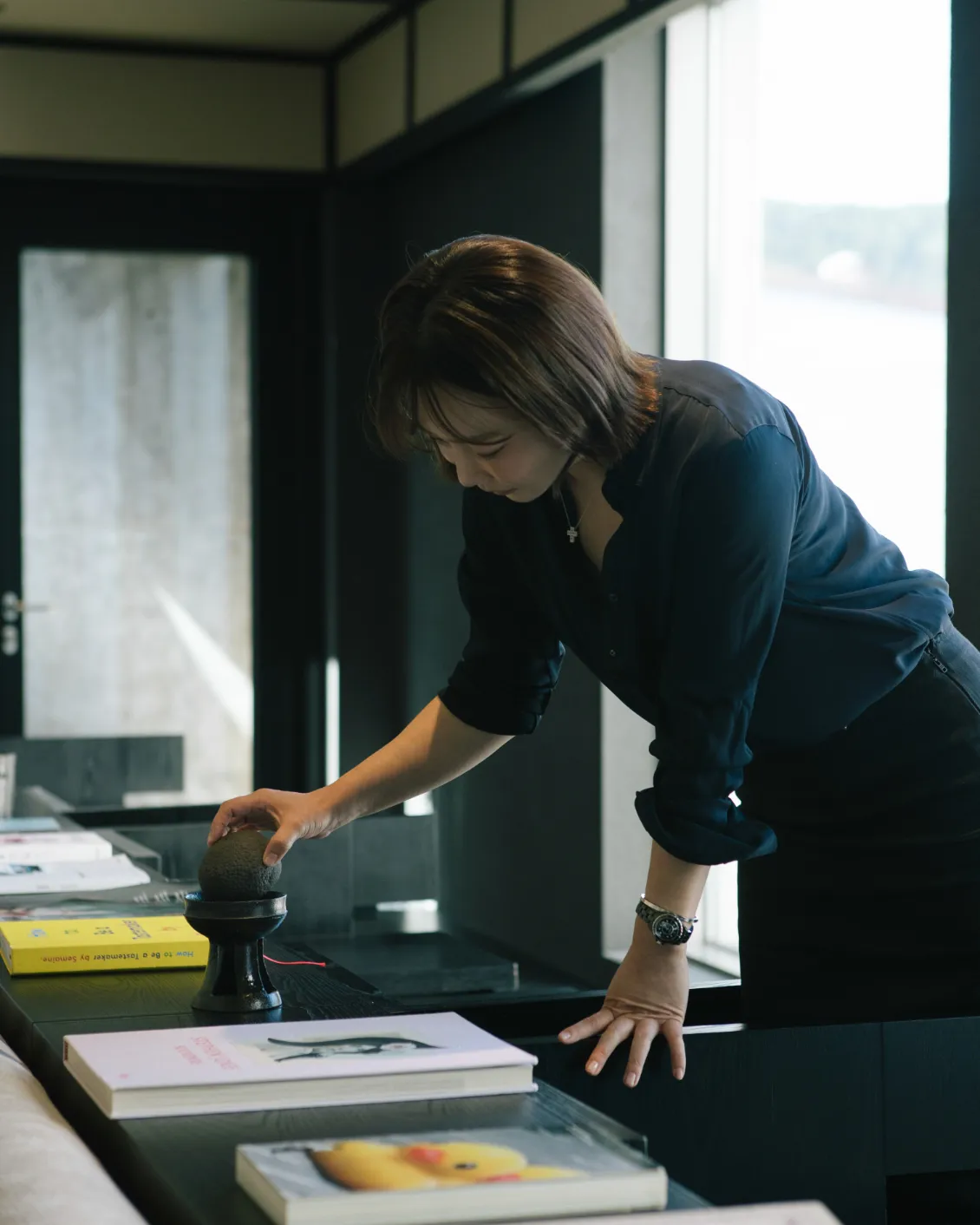
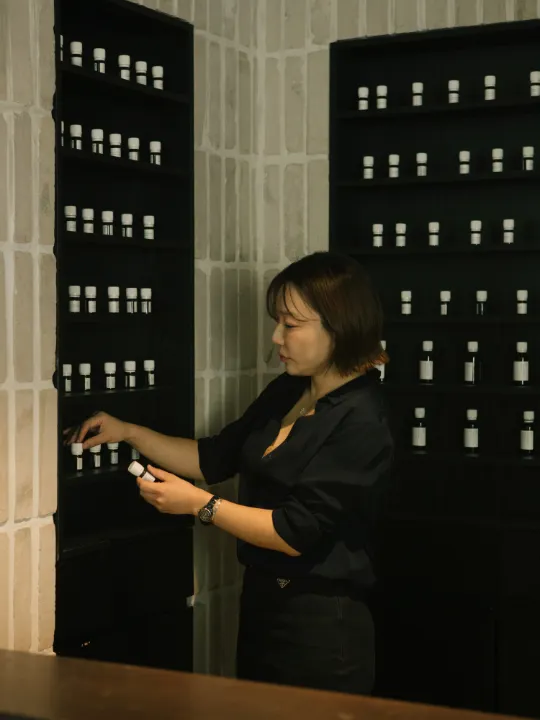
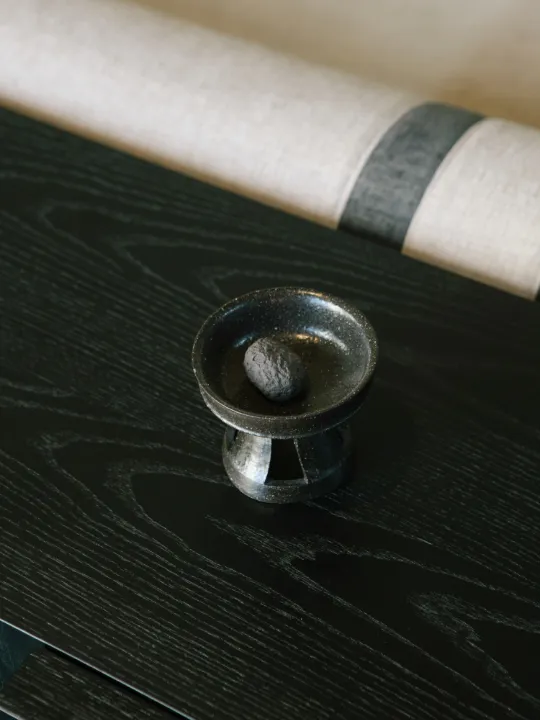
A personalised aroma oil is selected for each guest based on their answers to a questionnaire
Travel comforted me during difficult periods, and I was drawn to small Japanese ryokans. What I remember is how complete the experience felt. A carefully prepared meal, a warm bath, a view, and the freedom to do nothing.
Outside large luxury hotels in Korea, travelers often chose pensions or pool villas, where they still had to shop, prepare meals, and organize much of their stay. I wanted guests to arrive without needing to plan or prepare anything.
I was drawn to the feeling of stepping away from daily life and knowing someone had taken care of the details. At IJE, we interpret that sensibility through Korean culture and contemporary life. In the architecture and interiors, we use proportion, open space, natural materials, and craft. In the kitchen, seasonal ingredients from the surrounding land and sea let local produce and traditions shape each meal.


Soyeon Kim
We begin by defining how we want guests to feel. If the aim is quiet contemplation, that should inform the architecture, the bath, the scent, the meal, and even the way staff speak. Bathing marks the beginning of a stay. The temperature of the water, the view beyond the window, the soft light, and the materials against the skin all help guests unwind. A warm hinoki bath, a seasonal dinner, and tea the next morning should feel like one continuous ritual.
We were looking for a site in Busan when we came across Namhae. Its landscape and proximity to the sea suited the hotel I had imagined. During the pandemic, interest in domestic travel grew, and travelers began seeking more varied places to stay. IJE was born as those expectations were changing.
Soyeon Kim

Exposed concrete, natural stone, and warm wood emerge throughout the interiors of IJE’s hotels

Each hotel’s menu is a reflection of its enviroment

Every IJE location has a strong focus on wellbeing and allows guests time to themselves

Experiencing burnout has influenced Soyeon Kim’s perspective on hospitality and wellness
We want to give guests time to themselves wherever they stay. In Namhae, we leave space for the sea, the changing light, and the wind. In Busan, we balance a calm, private stay with the energy of a port city. In Gyeongju, we look to proportion, materials, and detail to express the depth of its history.
I think about how people will actually spend their time there and what character we want to preserve. Like a conductor, I bring architects, designers, chefs, and craftspeople together while allowing each to contribute their own voice. A hotel is still taking shape when construction ends. Its character grows through the people who stay and work there.

In Busan, South Korea’s second-largest city, white sand beaches line the coast and there's fresh seafood in abundance


Our hotels have focused on intimate experiences in smaller settings, but I believe the same attention to detail can be translated into an urban hotel with more rooms. The idea is to combine the practicality and efficiency of a business hotel with the considered design, food, service, and distinctive sense of place associated with IJE.
That doesn’t mean we want to expand as quickly as possible. There are more independent hotels and design-led stays in Korea than ever before, which is exciting, but it also makes a clear identity increasingly important. We prefer to begin with the experience we want to create and then find a site that can genuinely support it.
For me, the question is not how many hotels we can open. It is why a particular hotel should exist in a particular place—and what we can offer there that guests have not experienced before.


 Profile
 Bookings
 Benefits
 Bookmarks
 Exclusive Community Deal