
Words Vidula KotianImages Lucy DeverallDate 07 October 2026
He is a Split-based developer behind landmark projects such as Dalmatia Tower and major hospitality investments in the city. She works within the same ecosystem, focused on the creative and experiential side of development—shaping atmosphere, detail, and the emotional language of space. Together, they bring both structure and sensitivity to how places are conceived and experienced.
That perspective is rooted in how they travel. For them, it has always meant observing people and the subtle rituals of everyday life—an instinct that now defines their approach to hospitality. Venturo is conceived almost like a small, living museum: a place where materials hold memory, culture is felt rather than staged, and each detail invites discovery. At its core is a simple but ambitious idea to create something built with their own hands and hearts that resonates beyond its walls. As the first Design Hotels property of its kind in Croatia, Venturo marks a beginning, but its vision extends further: it is a true “living room” of Split, open to locals and guests alike, carrying the spirit of the city far beyond its borders.
We sat down with Josip and Anamaria to talk about building a hotel rooted in memory, material, and the everyday rhythm of Split.


Josip Komar


Josip: We were both raised in Split and always knew we wanted to create something meaningful here—something that reflects both our roots and our perspective.
We spent our summers on Bačvice Beach’s sand—the city’s only sandy beach—just steps from where Venturo now stands. It’s a place tied to memory and belonging. Opening Venturo here felt instinctive. It lets us shape a new gathering place in a setting that shaped us, while welcoming people from around the world. We wanted to share the true spirit of Split—its Mediterranean ease, warmth, and way of life.
Anamaria: What shaped the hotel most were the elements we grew up with—the textures, light, and atmosphere that define Bačvice and Split. The Dalmatian stone, the softness of the city’s only sandy beach, and the clarity of the Adriatic Sea all found their way into our vision.
We were equally inspired by local traditions that bring people together—especially picigin, the simple ball game played in the shallow sea, passed down through generations. Bačvice, for us, is more than a place. It’s a way of life—open, communal, and unhurried. To experience Split without it would be to miss something essential.
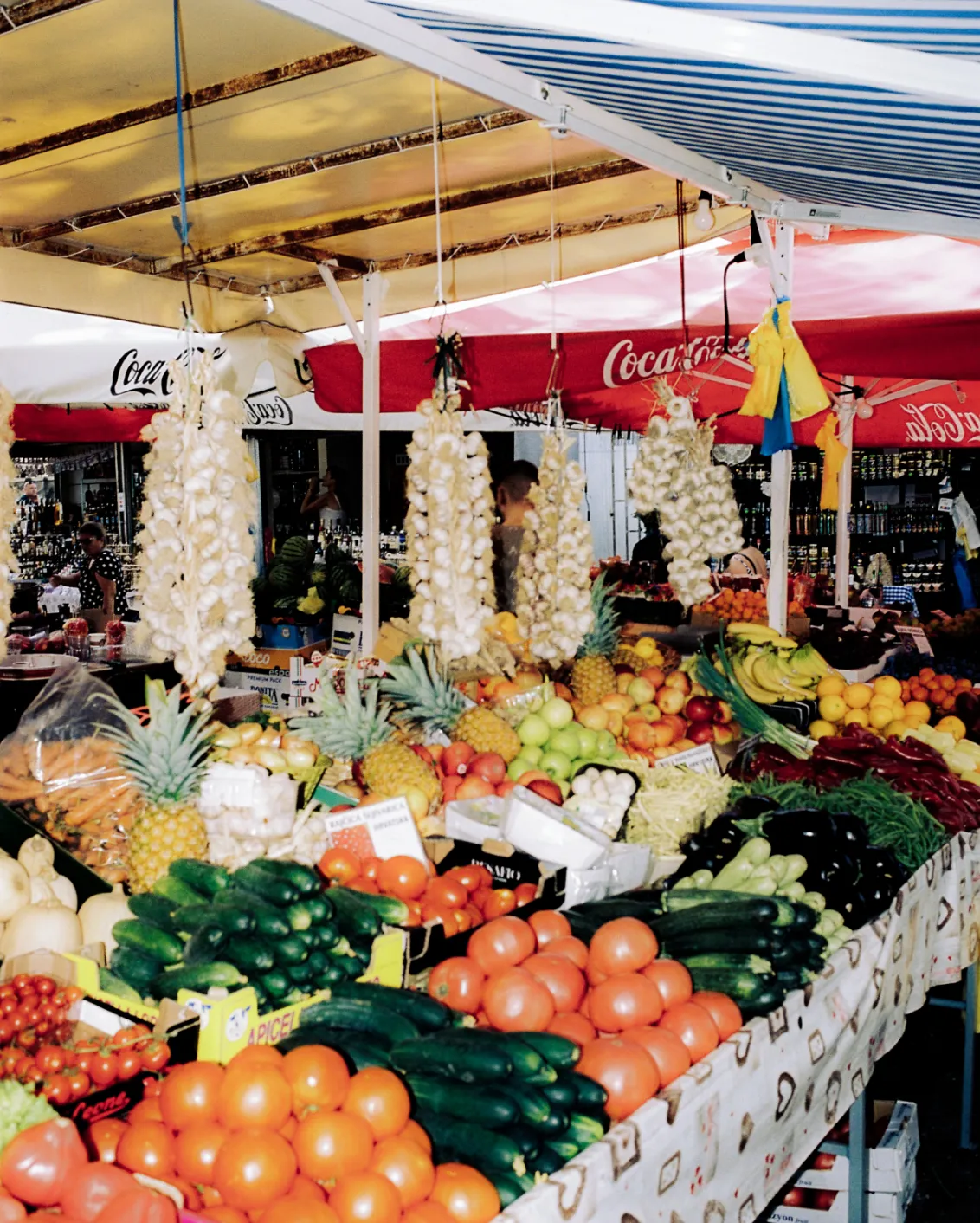
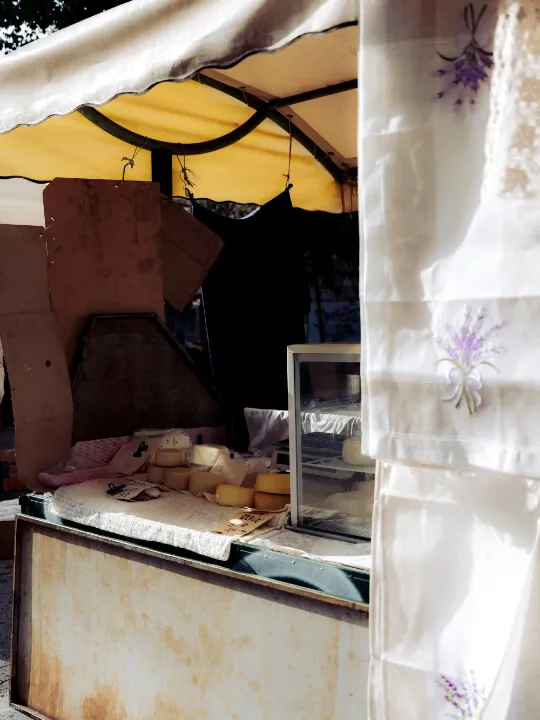
The local markets are filled with regional ingredients
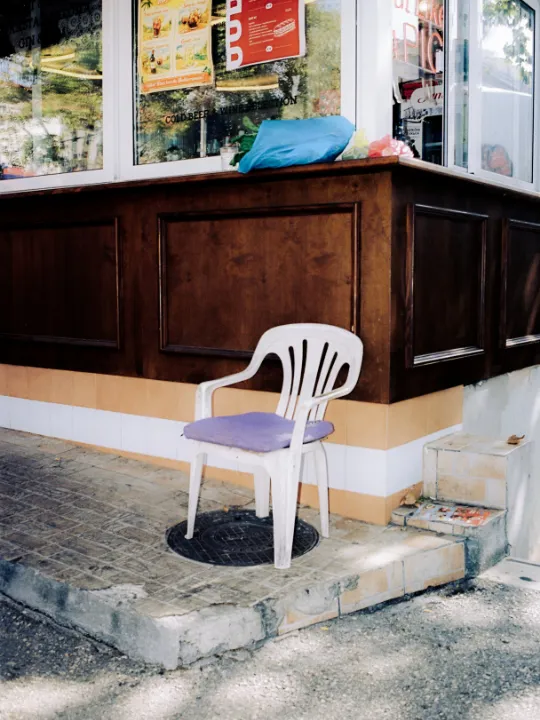
The second-largest city in Croatia, Split has a relaxed Mediterranean character
Anamaria Komar
Josip: It’s the story behind the materials and patterns woven throughout the hotel.
The stone is one example. Guests notice it, but may not realize it comes from the island of Brač—renowned for its quality and used in landmarks such as the White House in Washington, D.C. For us, it anchors the hotel in Dalmatian heritage while connecting it to a wider architectural narrative.
A more subtle layer appears in the corridors and rooms, where certain patterns might seem purely decorative. They’re inspired by traditional embroidery from the Drniš region—motifs tied to local craft and to our own family roots, as both of our fathers are from that area. We’ve reinterpreted them in a contemporary way throughout the space.
These elements aren’t meant to stand out immediately. They’re meant to be discovered—and once they are, they quietly shift the experience into something more connected to place, culture, and history.


Anamaria Komar


Josip: From the beginning, we wanted the project to involve as many local voices as possible—their talent, dedication, and stories. Venturo was never meant to be just a building, but a reflection of the community’s creative spirit.
We had long admired the work of Vera Mekinić, and when we revisited her paintings during the hotel’s development, the connection felt immediate. It was instinctive—we knew her work belonged in the rooms. Her paintings are light and airy, often inspired by Dalmatian motifs, expressed in soft Mediterranean tones. They carry quiet narratives of landscape, emotion, and atmosphere, with a sense of calm that mirrors the experience we want to create.
Each piece has the ability to evoke something personal—a memory, a feeling, a moment of stillness. And in that sense, it reflects what Dalmatia is about at its core: rest, inspiration, and a certain kind of warmth. If guests leave with even a trace of that, the artwork has done its part.
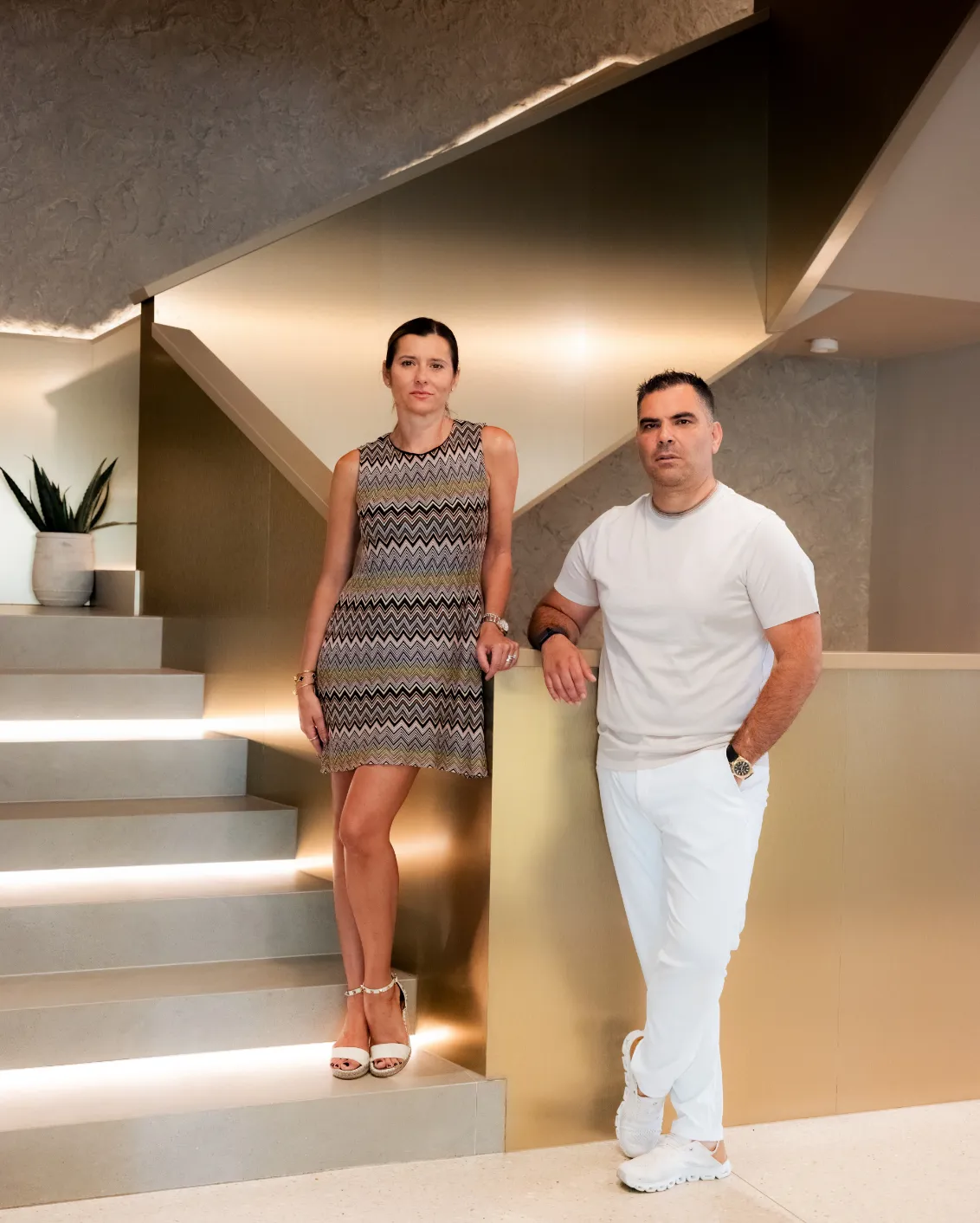
Josip and Anamaria Komar opened Venturo in 2026 to create something meaningful in the city they were raised
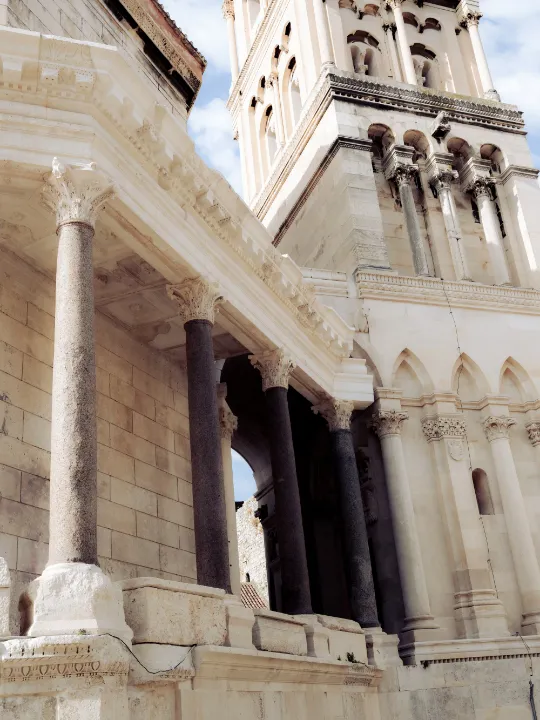
Diocletian's Palace, a UNESCO World Heritage site built in the 3rd century AD, is a short walk from the hotel
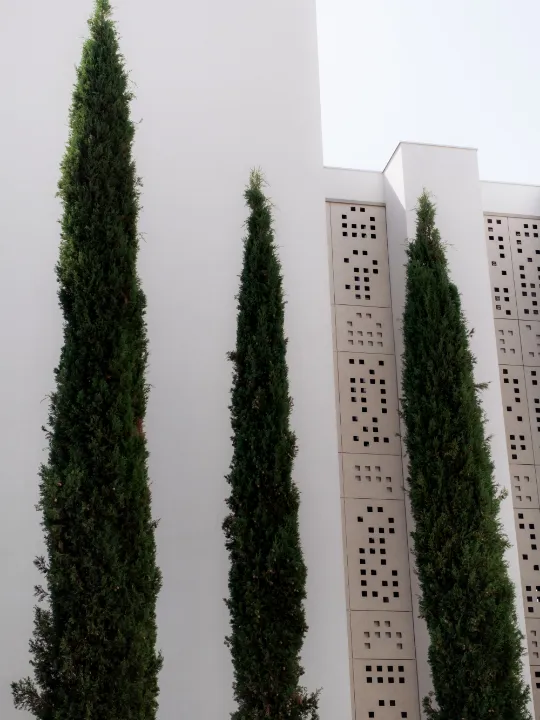
Tall cypress trees line the outdoor spaces at Hotel Venturo
Anamaria: Outside of work, the simplest way we reconnect is by being a family. With our two daughters, Nina and Lana, time together is what matters most. We try to spend as much of it as possible by the sea—on a boat, swimming, or exploring the nearby islands around Split. The sea has always been our natural place of balance.
We also enjoy cooking together, especially seafood. In Dalmatia, with its ingredients and traditions, even a simple meal at home can feel like a small celebration. Volunteering is another important part of our lives. We regularly take part in humanitarian initiatives in Split, particularly those supporting children in need. And sometimes, reconnecting is even simpler than that—a bit of music, a dance, a glass of wine, and time shared with people we love.


Josip Komar


Josip: Goran Ivanišević—not only for everything he achieved in tennis, but because we are close friends. He has been a constant presence in my life, supporting me through different personal and professional stages.
Roman Emperor Diocletian, whose choice to retreat to Split still fascinates me. I would want to understand what he saw in this city centuries ago and why he believed it was worth building something enduring here.
And singer Oliver Dragojević. His voice carries the essence of Dalmatia—sea, love, nostalgia, belonging. Having him at the table would feel like the spirit of the region itself being present.
Anamaria: Mother Teresa, whose life reflects rare selfless service and unwavering compassion for others. I would want to understand where that depth of compassion comes from, and how it is sustained over a lifetime.
Ivan Meštrović, one of Croatia’s most renowned sculptors. His work carries both emotional weight and a strong sense of identity. I imagine a conversation about art, legacy, faith, and what it means to leave something lasting behind.
And the third seat for my best friend—whose name I won’t mention. She has been a steady presence through every stage of my life, offering quiet support and grounding me when things become overwhelming. In many ways, no historical figure could replace that kind of presence.




 Profile
 Bookings
 Benefits
 Bookmarks
 Exclusive Community Deal